
Overview
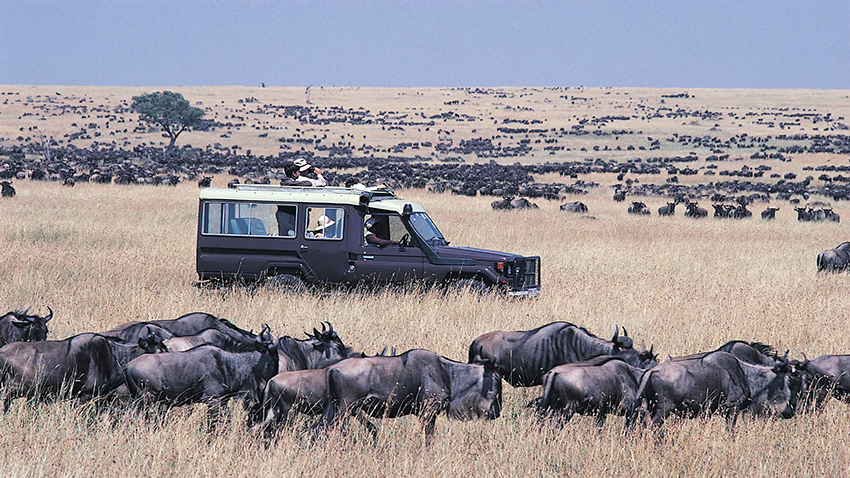
The Masai Mara National Reserve in southwestern Kenya is one of Africa’s most celebrated safari destinations, known for its sweeping savannahs, abundant wildlife, and dramatic sunsets. Stretching over 1,500 square kilometers, the Mara forms part of the greater Serengeti ecosystem and hosts one of the world’s most spectacular natural events — the Great Wildebeest Migration. Visitors can expect thrilling encounters with the Big Five — lion, leopard, elephant, buffalo, and rhino — along with cheetahs, hyenas, giraffes, and over 450 bird species. Beyond wildlife, the Masai Mara offers an authentic connection with the local Maasai people, whose rich culture and traditions add depth to the safari experience.
Highlights
- The Great Migration (July–October) : Witness millions of wildebeest and zebras crossing the Mara River, a breathtaking display of survival and instinct.
- Big Cat Capital of Africa : The Mara is home to one of the highest densities of lions, cheetahs, and leopards on the continent.
- Scenic Hot Air Balloon Rides : Float above the plains at sunrise for panoramic views of herds, acacia trees, and golden horizons.
- Cultural Encounters : Visit Maasai villages and learn about their traditional way of life, dress, and ceremonies.
- Iconic Photography Opportunities : Every sunrise and sunset offers perfect lighting for landscape and wildlife photography.
Top Attractions
- Mara River Crossing : A front-row seat to one of nature’s greatest spectacles during the migration season.
- Mara Triangle : A less crowded area offering exceptional wildlife sightings and scenic beauty.
- Lobo Hills: Rugged northern area with beautiful views and abundant wildlife, especially during the dry season.
- Mara North Conservancy : A private conservation area where sustainable tourism supports local communities.
- Olare Motorogi Conservancy : Known for exclusive game drives and predator-rich habitats.
- Maasai Cultural Villages : Experience authentic Maasai culture and traditional dances.
Best Time to Visit
The Masai Mara is a year-round safari destination, but the best time to visit depends on what you want to experience :
June – October: Dry season, best wildlife viewing and Great Migration crossings.
July to October : Prime season for the Great Migration and river crossings.
March to May : The rainy season; fewer crowds and lush landscapes ideal for photography.
Activities You Can Enjoy
- Game Drives: Morning and evening safaris with professional guides.
- Hot Air Balloon Safari: Soar above the plains and enjoy a champagne breakfast after landing.
- Nature Walks: Explore the ecosystem on foot with armed rangers and expert naturalists.
- Birdwatching: Spot over 450 bird species including lilac-breasted rollers and crowned cranes.
- Cultural Visits: Engage with the Maasai community to learn about their traditions and pastoral lifestyle.
- Photography Tours: Capture wildlife in action across golden plains and open skies.
Where to Stay
The Serengeti offers a wide range of lodges, luxury camps, and tented safaris. You can choose from budget-friendly options in the Seronera area to luxury lodges overlooking migration routes.
- Serengeti Serena Safari Lodge
- Lemala Ewanjan Tented Camp
- Four Seasons Safari Lodge Serengeti
Travel Tips
- Carry a hat, sunscreen, and binoculars for the game drives.
- Always travel with a certified safari guide.
- Early morning safaris offer the best wildlife sightings.
